
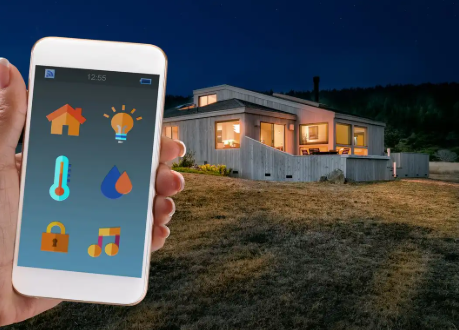

Smart home technology is changing the way people manage their homes. From connected lights to smart security cameras, modern devices offer new ways to improve convenience and control everyday activities. However, choosing the right products can be confusing because the market includes many brands, features, and price ranges.
A smart home should make life easier, not more complicated. The best devices are the ones that solve real problems and fit naturally into a household’s daily routine. Before purchasing anything, homeowners should understand their needs, available options, and the long term responsibilities that come with connected technology.
Identify Your Everyday Needs
Start by thinking about the tasks that take the most time or create inconvenience around your home. Perhaps you regularly forget to switch off lights, want better control over indoor temperatures, or need a more convenient way to manage selected appliances.
If lighting is the main concern, smart bulbs or compatible switches may be a good starting point. If temperature control is important, a smart thermostat may be worth considering where compatible heating and cooling systems are available.
Families with busy schedules may prefer automation that manages selected tasks according to a routine. People who travel frequently may be more interested in remote monitoring and suitable security features.
The important thing is to identify a clear purpose before spending money.
Understand Different Types of Smart Devices
Smart home products are available for many areas of the house. Smart lighting allows users to adjust brightness, colors, and schedules. Smart plugs can control compatible electrical devices. Connected thermostats can help manage indoor temperature settings.
Security products may include video doorbells, cameras, motion sensors, and smart locks. Their functions vary, so homeowners should carefully review recording options, storage methods, access controls, and compatibility.
Smart speakers and voice assistants can provide hands free control of compatible devices. They may also support reminders, timers, music, and other household tasks.
Not every home needs every category. A smaller selection of useful products may provide a better experience than a large collection of devices that are rarely used.
Check Compatibility Before Buying
Compatibility is one of the most important things to consider. Some products work only with particular applications, wireless standards, hubs, or voice assistants.
Before purchasing a device, check whether it supports the equipment already installed in your home. Read the product requirements and installation instructions. If you plan to expand your system later, consider whether the product can work with other devices you may purchase.
It is also helpful to check whether the manufacturer provides regular software updates and customer support. A product that is difficult to maintain may become frustrating over time.
Consider Design and Appearance
Technology should fit the style of your home. A device may have useful features, but its size, color, and placement can affect the appearance of a room.
For example, a smart speaker should be placed where it can be accessed easily without becoming an unnecessary visual distraction. Cameras should be positioned carefully according to their purpose and privacy requirements. Smart switches and control panels should match the room where possible.
Homeowners can explore modern décor and technology ideas to understand how practical devices can become part of an attractive interior. Good planning helps maintain a consistent look throughout the home.
Make Security and Privacy a Priority
Connected devices can collect information, communicate through networks, and sometimes store recordings or other personal data. This makes security an important part of smart home planning.
Use strong, unique passwords for device accounts and enable additional account protection when available. Keep device software and mobile applications updated. Avoid sharing account access with people who do not need it.
Review privacy settings before enabling cameras, microphones, or voice recording features. Understand where recordings are stored, who can access them, and whether a subscription is required.
It is also wise to secure the home Wi Fi network with a strong password and updated router settings. A smart home should provide convenience without creating unnecessary privacy risks.
Start Small and Expand Gradually
There is no reason to purchase a complete smart home system immediately. Begin with one or two products that solve a specific problem. Use them for a few weeks and decide whether they genuinely improve your routine.
For example, a smart bulb can help you understand connected lighting before you invest in a larger lighting system. A smart plug can introduce basic automation without requiring major installation work.
Once you understand how the devices operate, you can decide whether additional products are worth buying. This gradual approach also makes it easier to manage costs.
Think About Long Term Value
The cheapest product is not always the best choice. Compare reliability, warranty coverage, installation costs, software support, and possible subscription fees.
Some security cameras or cloud based services require monthly payments for advanced features. Other products may offer basic functions without an ongoing subscription. Check these details before making a purchase.
Consider how easy it will be to replace or upgrade a device in the future. Products that depend on discontinued applications or unsupported services may create problems later.
Create a Connected Home That Feels Natural
A successful smart home does not need to look like a technology showroom. Devices should support normal activities without demanding constant attention.
For example, lights can follow a useful schedule, a thermostat can manage selected temperature settings, and compatible speakers can provide convenient voice control. These features should work quietly in the background.
For more information about the relationship between home design and connected technology, explore this guide to the future of stylish and intelligent living. It can help homeowners consider how modern features may fit into their living spaces.
Final Thoughts
Choosing smart home devices is easier when you focus on your actual lifestyle. Identify everyday problems, compare compatible products, review privacy settings, and consider long term costs before buying.
Start with simple improvements and expand only when there is a genuine benefit. A well planned smart home should offer comfort, convenience, and control while preserving the style and personality of the space. The most useful technology is the technology that makes everyday life simpler.