
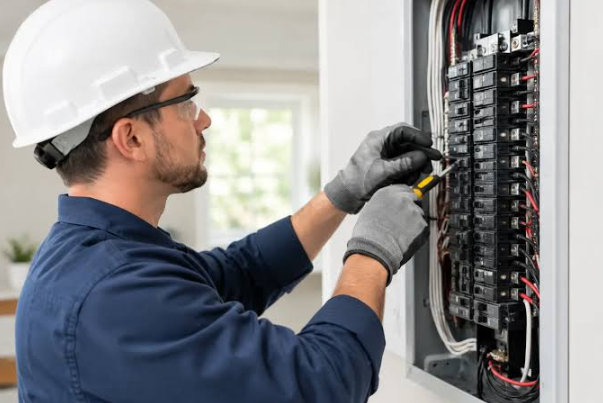

Rental properties require careful maintenance to provide safe and dependable living conditions for tenants. Electrical systems are particularly important because they support everyday activities such as lighting, cooking, heating, cooling, and operating household appliances. When electrical infrastructure is outdated, damaged, or improperly maintained, it can create safety concerns and unexpected interruptions.
For Chicago landlords and property owners, understanding electrical maintenance responsibilities is essential for protecting residential buildings and supporting tenant safety. Regular inspections, proper circuit planning, and timely professional repairs can help maintain reliable electrical performance while reducing avoidable property maintenance problems.
Why Electrical Safety Matters in Rental Properties
Residential rental buildings contain electrical equipment that distributes electricity to individual circuits throughout the property.
These circuits supply power to household outlets, lighting fixtures, appliances, and other electrical devices.
Maintaining electrical safety is important because tenants depend on reliable electricity for everyday living.
Proper electrical maintenance offers several benefits:
- Helps reduce risks associated with electrical faults.
- Supports reliable operation of household appliances.
- Identifies damaged or deteriorating components.
- Reduces unexpected electrical interruptions.
- Supports compliance with applicable building requirements.
- Helps property owners plan future improvements.
Professional assessments can help determine whether existing installations remain suitable for continued use.
Common Electrical Challenges in Chicago Rental Homes
Rental properties may experience electrical problems due to aging equipment, changing tenant requirements, or previous building modifications.
Aging Electrical Infrastructure
Some older Chicago rental properties contain electrical equipment installed several decades ago.
Circuit breakers, wiring connections, and other components may deteriorate due to regular operation and environmental exposure.
Professional inspections can identify equipment requiring corrective attention.
Increased Electricity Consumption
Modern tenants often use numerous electronic devices and household appliances.
Computers, air conditioners, kitchen equipment, and entertainment systems contribute to overall electricity demand.
Existing infrastructure should be suitable for the property’s calculated electrical loads.
Improper Previous Repairs
Electrical modifications completed without appropriate technical knowledge can create dangerous conditions.
Incompatible circuit breakers, unsuitable wiring arrangements, and loose connections should be corrected by qualified professionals.
Moisture and Corrosion
Basements, utility areas, and other locations may experience plumbing leaks or excessive humidity.
Water intrusion can damage electrical components and affect their reliability.
Limited Circuit Availability
Property renovations and additional appliances may require new electrical circuits.
Existing distribution equipment may have limited space or capacity for these modifications.
Important Electrical Warning Signs Landlords Should Recognize
Property owners should investigate recurring electrical problems reported by tenants.
Common warning signs include:
- Circuit breakers that trip repeatedly.
- Flickering or unexpectedly dimming lights.
- Burning odors near electrical equipment.
- Unusual buzzing or crackling sounds.
- Visible rust or corrosion.
- Damaged outlets or electrical enclosures.
- Unexpected electricity interruptions.
- Signs of overheating around wiring connections.
These symptoms may indicate overloaded circuits, damaged wiring, defective appliances, or deteriorating electrical components.
A qualified electrician should investigate the underlying cause before additional electrical equipment is installed.
How Electrical Problems Can Affect Tenant Safety
Electrical faults can create serious risks when they are not addressed promptly.
Electrical Fire Hazards
Loose connections, damaged insulation, and excessive electrical current may contribute to overheating.
Professional maintenance helps identify conditions that could increase fire risks.
Electric Shock Risks
Damaged outlets, exposed conductors, and unsuitable electrical connections can expose occupants to electric shock hazards.
Appliance Damage
Certain electrical faults and voltage problems may affect connected household appliances.
Unexpected Power Interruptions
Recurring electrical failures can interrupt heating equipment, refrigeration, lighting, and other essential household activities.
Emergency Access Problems
Blocked electrical equipment can make it difficult for qualified personnel to isolate affected circuits during maintenance or emergencies.
When Should Rental Property Owners Consider Electrical Improvements?
Electrical improvements may become necessary when existing equipment is significantly deteriorated, unsuitable for calculated electrical demand, or unable to accommodate necessary circuit arrangements.
For property owners reviewing their options, an electrical panel upgrade Chicago service may help determine whether the existing electrical infrastructure requires additional capacity, equipment modifications, or other improvements.
A licensed electrician can inspect the installation, evaluate circuit protection, and recommend appropriate solutions based on the property’s requirements.
Not every electrical problem requires complete equipment replacement. Some concerns can be corrected through professional repairs or suitable circuit modifications.
Important Electrical Maintenance Responsibilities for Landlords
Property owners should establish appropriate maintenance procedures to identify and address electrical problems.
Respond to Tenant Reports
Electrical complaints involving burning odors, repeated breaker trips, or damaged outlets should receive prompt attention.
Urgent hazards require immediate appropriate action.
Maintain Safe Electrical Equipment
Distribution equipment, outlets, and wiring should be maintained in a condition suitable for their intended use.
Arrange Qualified Repairs
Electrical repairs should be completed by appropriately licensed or qualified professionals as required by local regulations.
Maintain Accessible Equipment
Electrical distribution equipment should remain accessible for inspections, repairs, and emergency situations.
Keep Maintenance Documentation
Inspection reports, permits, repair invoices, and relevant installation records can support future property management.
Electrical Considerations During Tenant Turnover
The period between tenants provides an opportunity to review the condition of a rental property’s electrical installations.
Inspect Accessible Outlets
Damaged, loose, or discolored outlets should be referred to a qualified electrician.
Review Reported Electrical Problems
Previous tenant complaints can help identify recurring issues that require investigation.
Verify Circuit Identification
Accurate circuit labels help maintenance professionals locate specific electrical connections.
Evaluate Appliance Connections
Provided appliances should be connected according to their electrical ratings and manufacturer requirements.
Arrange Professional Assessments When Needed
Older properties or units with recurring electrical issues may benefit from more comprehensive inspections.
How Professional Electricians Evaluate Rental Property Systems
Qualified electricians use established procedures to assess residential electrical infrastructure.
Inspecting Distribution Equipment
Circuit breakers, electrical connections, and other components are examined for signs of deterioration.
Reviewing Circuit Loads
Professional load calculations help determine whether existing infrastructure supports household electricity requirements.
Identifying Wiring Problems
Damaged insulation, improper connections, and other wiring defects can be investigated safely.
Evaluating Protective Devices
Circuit breakers and other protective equipment should be compatible with the installation.
Recommending Suitable Improvements
Based on inspection findings, electricians can recommend necessary repairs, modifications, or equipment changes.
Understanding Electrical Requirements for Multi-Unit Rental Buildings
Buildings containing several rental units may have more complex electrical arrangements than single-family properties.
Individual Unit Circuits
Each residential unit may contain separate circuits for lighting, outlets, and appliances.
Shared Building Equipment
Common-area lighting, heating equipment, and other shared electrical loads should be included in system planning.
Electrical Metering
Metering arrangements depend on the property’s electrical configuration and applicable utility requirements.
Additional Household Appliances
Different tenants may use appliances with varying electrical demands.
The distribution infrastructure should accommodate the building’s calculated loads.
Proper Circuit Organization
Clear identification of electrical circuits helps simplify maintenance and troubleshooting across multiple units.
Preventive Maintenance Tips for Chicago Rental Properties
Regular maintenance can help reduce avoidable electrical problems.
Keep Electrical Areas Clear
Storage materials, furniture, and other objects should not obstruct access to electrical distribution equipment.
Protect Equipment From Moisture
Water leaks and excessive humidity can damage electrical components.
Moisture-related problems should be investigated promptly.
Avoid Overloading Circuits
Tenants should use electrical appliances according to circuit ratings and manufacturer instructions.
Monitor Recurring Problems
Repeated electrical interruptions should be professionally investigated rather than treated as normal operation.
Schedule Appropriate Inspections
Professional assessments can help identify developing problems and support long-term maintenance planning.
Why Professional Electrical Services Are Essential
Electrical distribution equipment may contain dangerous energized components even when the main breaker is switched off.
Attempting internal repairs without appropriate qualifications can expose individuals to serious electric shock and burn hazards.
Licensed electricians have the technical knowledge and specialized equipment required to inspect and repair electrical systems safely.
Professional work also helps property owners meet applicable Chicago electrical codes, permit requirements, and installation standards.
Landlords should verify their specific legal obligations under relevant local housing and building regulations.
Long-Term Benefits of Proper Electrical Property Management
Maintaining reliable electrical infrastructure can help landlords reduce unexpected maintenance complications and support safer living conditions.
Professional inspections may identify deteriorating components before significant equipment failures occur.
Accurate maintenance documentation also helps property owners understand previous repairs and plan future improvements.
By responding promptly to electrical concerns and maintaining suitable equipment, rental property owners can protect their buildings while supporting dependable electricity distribution.
Conclusion
Electrical safety is an essential part of responsible rental property management in Chicago. Aging components, increasing electricity demands, and improper previous modifications can create problems that require professional attention.
Recognizing warning signs, arranging qualified inspections, and maintaining accurate repair records can help property owners address electrical concerns before they become serious.
With suitable infrastructure, professional maintenance, and timely improvements, Chicago rental properties can provide safer and more reliable electrical performance for tenants and property owners alike.